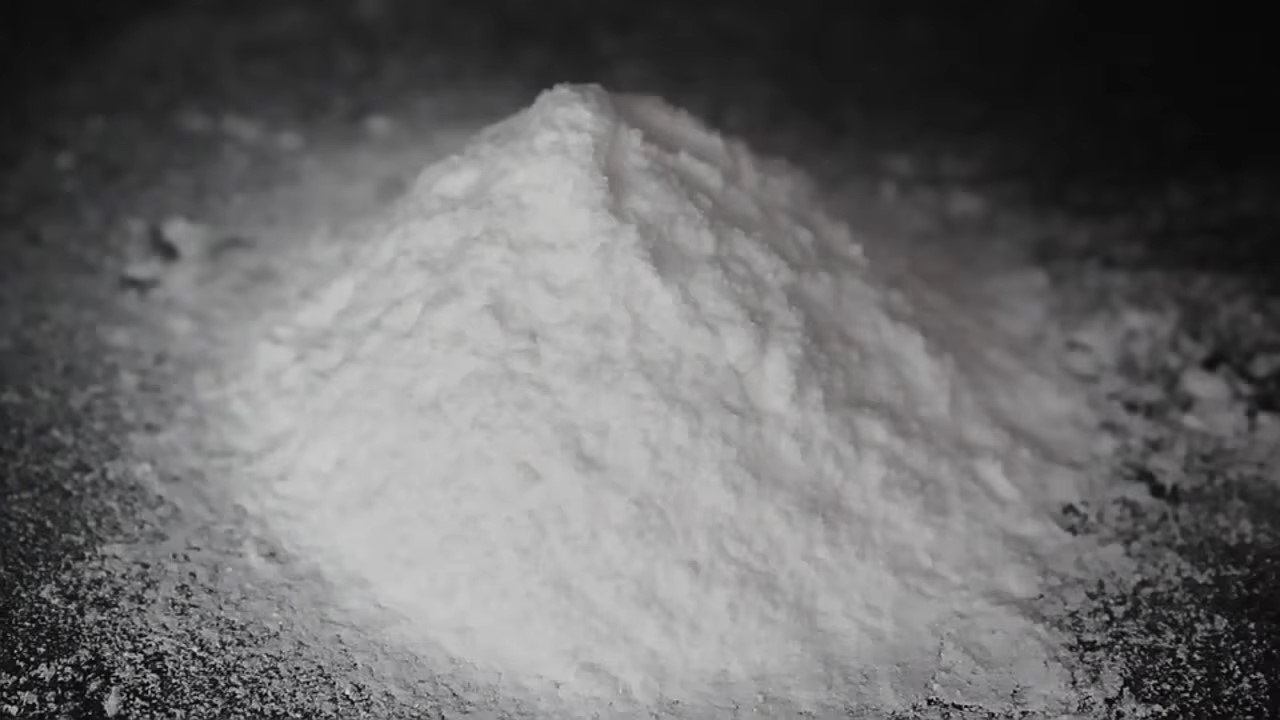
It is something that people need to be aware of, which includes the fact that Glutathione is a natural tripeptide of glycine, L-cysteine, and L-glutamic acid, and has recently become one of the most desired components of the health and wellness industry. Glutathione is important to the body, and it may be used to aid in body detoxification, assisting the immune system, and inhibiting oxidation in body cells. This is due to the fact that, due to the increase in the demand for glutathione-based supplements, drinks, and other health products, it is dictated by the necessity to select the appropriate raw material that will ensure that the final product is effective and safe for consumers. The paper will make elaborate recommendations on the selection of the best reduced glutathione powder to be used in the manufacturing of health products.
Be Familiar with the Various Glutathione Variations
Glutathione exists in various forms, and each of them has its own properties and uses. L-Glutathione (GSH) in its reduced form is the most popular, which is used in supplements as it is an active antioxidant, and its bioavailability is high. It fights the free radicals both directly and helps in the detoxification of the cells. On the other hand, glutathione oxidized is not effective as a supplement since it has to be reduced to the active form within the body. The awareness of the inferences of these forms helps the manufacturers in selecting the most suitable glutathione raw material, depending on the form of products it is to be incorporated in, either as a capsule, tablet, or beverage.
Examine Purity and Quality Standards
Purity is one of the most significant criteria in the sourcing of raw material for glutathione. Glutathione powder should be of good quality; it should not have impurities, contamination, heavy metals, or traces of any solvents. The manufacturers should be supplied by suppliers with certificates of analysis (COA) that define the consistency and purity. Certifications are especially needed in those instances when the products are destined to be consumed by human beings, since they guarantee that the quality of ingredients used in the preparation of each batch is of high quality.
Acquire Materials with Trustworthy Suppliers
They need to identify a supplier of glutathione with whom they can collaborate because of the degree of trust and reliability. It is normally prepared through modern production techniques, such as bioengineering and fermentation production processes, to produce glutathione powder, which is very stable and bioavailable from the traditional suppliers. Generally, experienced suppliers within the industry are associated with long paperwork and technical support, and therefore, manufacturers have smooth sailing when it comes to their products. The supplier should have references, customer comments, and the history of exporting its products, which should be checked before a final decision is made about the supplier.
Shelf Life and Test Stability
Another environmental factor that affects glutathione is that it is unstable to heat, light, and moisture, which can cause all the antioxidant activity of the compound to be destroyed. Consideration of a raw material that is very stable is significant in ensuring that the product is utilized during its shelf life. Manufacturers are to inquire about storage conditions, recommended packaging styles, and expiration dates. When properly stabilized, glutathione not only sustains its strength but also enhances the quality and satisfaction of the consumers.
External Inspection of Regulatory Compliance
The manufacturers of health products play a crucial role in ensuring compliance with regulations. The cost of the raw material glutathione must be of local and international standards, e.g., food-grade, supplement, or cosmetic-grade. A bonus is provided when the suppliers have some documentation, such as GRAS (Generally Recognized as Safe) certification, or FDA approval (or other relevant compliance certifications). Adherence to regulations assists the manufacturer in escaping legal headaches and enhancing the popularity of their products in the competitive markets.
Conclusion
The kind of glutathione raw material will be important in the production of good, effective, and safe health products. Being aware of the different varieties of glutathione, purity is one of the criteria; the sources should be from good suppliers, bioavailability, and stability are also aspects of decision-making. In addition, regulation and the will to versatility of application are also key to successful product development. A company can do this by making sure that it acquires quality raw material of glutathione, so that it ends up with health products that will offer tangible benefits, be more confident among customers, and have a competitive edge in the newly emerging wellness industry that is rapidly expanding.