Road Milling Picks: The Cheapest One Isn't the Cheapest to Run
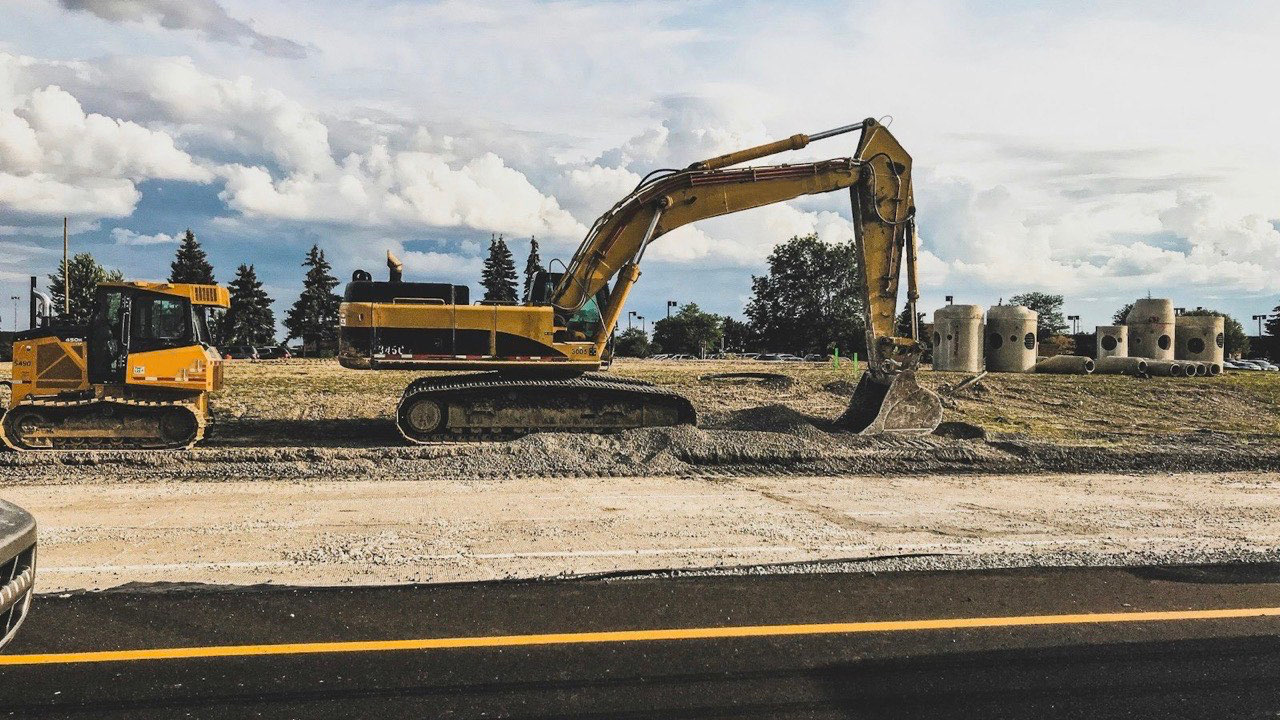
When milling picks come up in a job cost, the number everyone compares is the price per pick. It’s the wrong number — or at least the least useful of the four costs a pick actually carries onto the job. Two picks with the same sticker can run at wildly different totals once you count how fast they wear, how much idle time each change costs you, how much extra diesel they burn as they dull, and what they do to the holders and drum if you push them too long. The figure that matters on a milling contract isn’t cost per pick; it’s cost per square metre. And judged that way, the cheap pick is very often the expensive one.
The four costs beyond the sticker
Every milling pick carries four costs, and the purchase price is only the first:
- Consumption — how many you burn. This is the big one. A pick that wears twice as fast doubles this line no matter what it cost, and consumption is driven by the material (asphalt is forgiving; concrete and reinforced concrete are brutal on carbide), the pick’s actual quality, whether it’s free to rotate and self-sharpen, and how hard the operator pushes. Slow the burn and everything downstream shrinks.
- Change-out downtime. Every pick you replace is machine-idle time on a paid job. The more picks you go through, and the slower each swap, the bigger this hidden cost gets — which is exactly why quick-change holders that let you knock a worn pick out and press a new one in tool-free aren’t just a convenience, they’re a line on the cost sheet.
- Fuel. Dull picks make the drum fight for every pass, and the machine drinks more diesel for the same output. Run picks past their useful edge and you pay for it at the pump on top of everything else.
- Collateral damage. This is the one that turns a small saving into a big bill. Run a pick past the point where the carbide’s worn down to the steel body and it starts wearing the holder; let one go flat because it stopped rotating and it can chew the holder or score the drum. Holders and drum repairs cost many times what a pick does.
Add those four up and you have the real cost of running picks — the price tag is just the part you see first.
Why a cheap pick can be the expensive one
Here’s where the sticker misleads. A pick that’s a little cheaper but wears noticeably faster raises your consumption, forces more change-out stops, and burns more fuel while it’s dulling — three costs going up to save a bit on one. Once you count them per square metre milled, the “bargain” pick routinely lands higher than the quality one you skipped.
I got that lesson on a resurfacing contract where we switched to a cheaper pick to trim the parts budget. On paper it looked like a saving. In practice the crew was changing picks noticeably more often, every stop parked the planer while the trucks waited, and the machine felt like it was working harder by the afternoon. The parts line looked lower and the job cost more — the money had just moved off the invoice and into downtime and fuel where nobody was looking. We went back to the pick that cost more per box and less per metre.
The axis that matters isn’t OEM versus aftermarket — it’s quality versus cheap. A well-made compatible pick can beat the genuine part on cost per metre; a bulk generic that just copies the shape usually loses on it. When the picks (and the holders they seat in) come from one source with consistent quality and fitment, a drum rebuild stops being a lottery, which is why it’s worth sourcing the whole set together — the full road-milling range at https://www.jyfmachinery.com/product/road-milling/ covers the picks and holders for that. Buy on what a pick costs to run, not what it costs to buy, and the maths usually points away from the cheapest box on the shelf.
The levers that lower cost per metre
None of this means “spend more.” It means pull the levers that cut consumption and downtime. Match the pick to the material and set a sensible pace, so you’re not burning asphalt-duty carbide against concrete. Keep the holders good and the picks free to rotate, so they self-sharpen and wear evenly instead of going flat. Replace on time — at carbide-to-steel, in an even pattern — so you’re neither wasting carbide by pulling early nor risking the holder by running late. And use quick-change to shrink the idle time every swap costs. Each of those quietly lowers the per-metre number, and none of them shows up on a price tag.
So when you’re pricing picks for a job, do the estimate the way the job actually bills: total cost divided by the square metres you’ll mill, not the number on the invoice. Count the wear, the downtime, the fuel, and the risk to the holders and drum — and the cheapest pick to buy stops being the one you reach for, because you’re finally paying for the cheapest pick to run.